
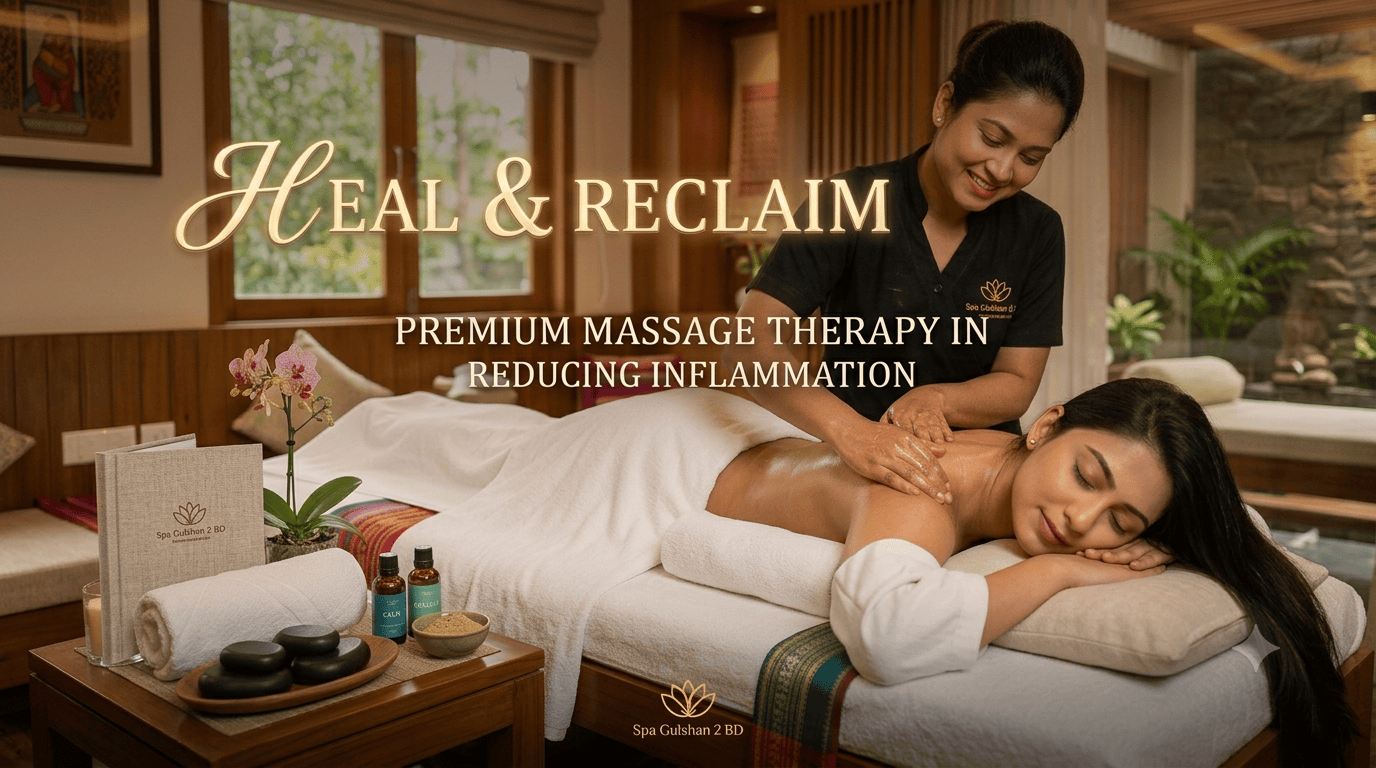
Massage Therapy in Reducing Inflammation: 5 Powerful Secrets to Quick Healing
Whether you are an active athlete recovering from intense training or a corporate professional dealing with the chronic strain of sitting at a desk all day in Dhaka, your body frequently battles a silent enemy: chronic inflammation. While many people view a spa visit as a luxury indulgence, clinical research reveals it is actually a powerful biological medical asset.
Understanding the scientific role of massage therapy in reducing inflammation can completely transform how you approach your personal wellness routine. Let’s dive deep into how target bodywork changes your cellular chemistry to accelerate recovery, wipe out pain, and restore your body’s peak physical performance right here at Spa Gulshan 2 BD.
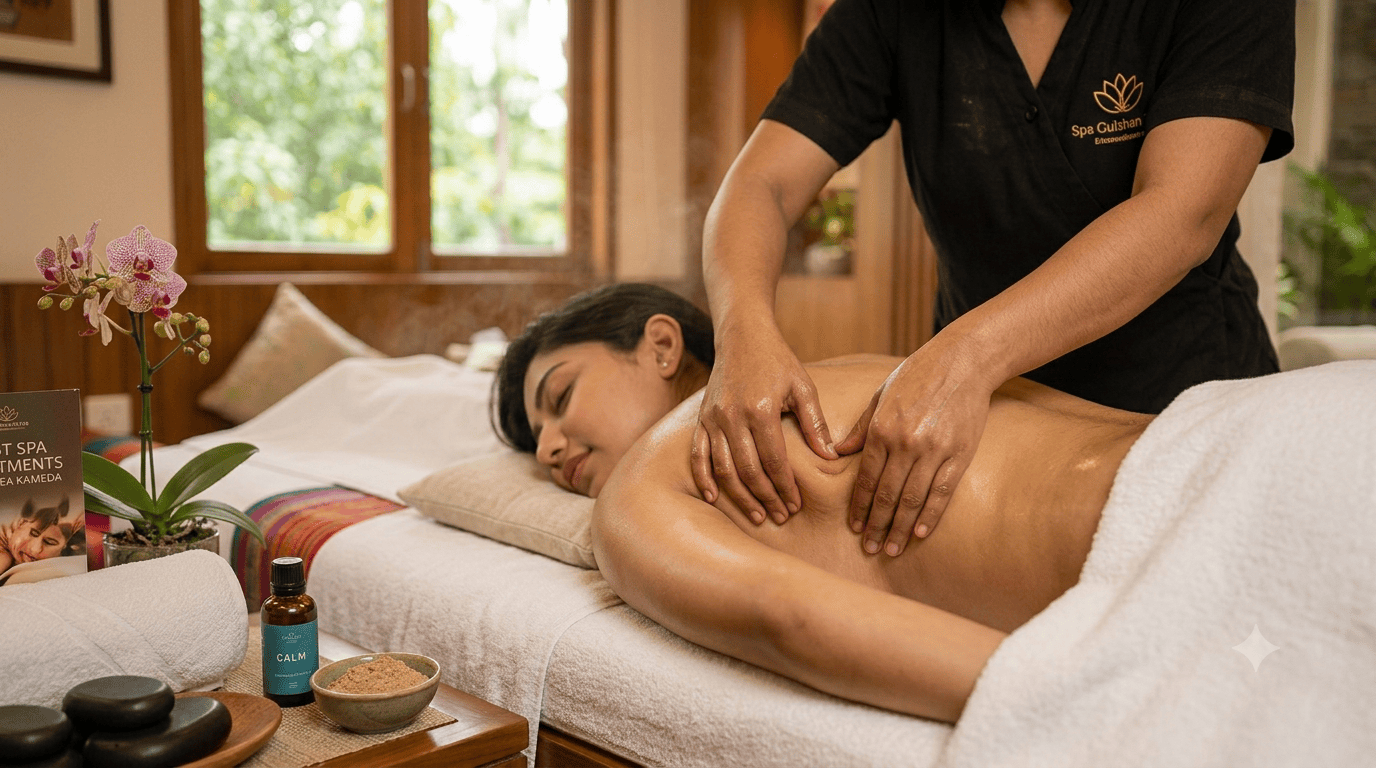
Table of Contents
1. The Cellular Science: What Is Inflammation?
Inflammation is your immune system’s natural defense response to injury, infection, or repetitive physical stress. When muscle fibers experience micro-tears during exercise or suffer under poor posture, your body sends inflammatory cytokines to the area.
While acute inflammation helps repair tissue damage in the short term, systemic chronic inflammation causes persistent joint stiffness, muscle aches, and deep physical fatigue. Left unmanaged, it can gradually wear down your muscle tissue and slow your daily recovery to a absolute crawl.
2. How Massage Therapy in Reducing Inflammation Works Automatically
Many people assume a massage simply relaxes your mind, but the real magic happens at a deep cellular level. According to a landmark study published by the Harvard Wyss Institute on mechanotherapy, deep physical manipulation of soft tissue mechanically clears out metabolic waste from your muscle beds.
When our certified therapists apply precise pressure, it down-regulates the production of inflammatory proteins known as cytokines. At the exact same time, the physical strokes signal your muscle cells to create new mitochondria—the energy powerhouses of your cells. This dual biochemical action proves the absolute efficacy of massage therapy in reducing inflammation, allowing your sore muscle tissues to repair themselves up to 30% faster than simple passive rest alone.
3. Top 3 Spa Treatments for Fast Anti-Inflammatory Relief
Not all bodywork is created equal when you are fighting deep structural swelling. To get the maximum benefit of massage therapy in reducing inflammation, we highly recommend focusing on these three targeted clinical treatments:
Deep Tissue Massage
This technique targets the deepest sub-layers of muscle fibers and fascia. By breaking up stubborn scar tissue and painful physical knots, deep tissue work drastically lowers localized inflammatory markers and frees up locked joints.
Lymphatic Drainage Therapy
Your lymphatic system is responsible for removing cellular waste and excess fluids from your body tissues. Gentle, rhythmic strokes stimulate lymph flow, instantly reducing the painful fluid retention and swelling that accumulates in your legs and lower back after long hours of sitting.
Swedish Massage Therapy
If your body is feeling completely fragile, Swedish massage offers a gentler path. It uses long, flowing strokes to drastically boost overall oxygen circulation in the bloodstream. This rapid increase in oxygen flushes out lactic acid build-up and safely promotes full-body tissue healing.
4. The Critical Connection: Stress, Cortisol, and Swelling
When you live in a high-stress urban environment like Dhaka, your nervous system is constantly stuck in a “fight or flight” mode. This mental stress triggers a massive release of the hormone cortisol. While cortisol is meant to control stress, chronically high levels cause your immune system to become resistant, leading to a massive spike in systemic bodily inflammation.
This is where the psychological benefits of a premium spa session come into play. Specialized massage therapy in reducing inflammation works by shifting your body directly into a parasympathetic state. As your mind settles down, your cortisol levels drop dramatically, allowing your blood vessels to dilate smoothly and your natural anti-inflammatory defenses to resume their work.
5. Maximizing Your Results at Spa Gulshan 2 BD
Getting the absolute most out of your session requires an active partnership between you and your professional therapist. To experience the ultimate power of massage therapy in reducing inflammation, follow these expert preparation rules:
-
Communicate Pain Points Clearly: Let your therapist know exactly where you feel chronic stiffness or localized heat.
-
Hydrate Extensively Before and After: Water is essential to help your kidneys flush out the toxins released from your muscle tissue during treatment.
-
Incorporate Regular Sessions: Consistency is key. To keep chronic inflammation completely at bay, aim for at least one targeted session every two weeks.
Ready to completely wash away the physical tension and soothe your body? Explore our signature line of therapies at Spa Gulshan 2 BD Services to find the perfect treatment tailored specifically to your body’s recovery goals.
For more information on how regular bodywork supports long-term physical recovery, you can read the latest clinical massage guidelines from the American Massage Therapy Association (AMTA).
Book Your Healing Session Today: Don’t let chronic muscle fatigue slow you down. Contact our team via phone or WhatsApp at Spa Gulshan 2 BD to reserve your premium session and experience immediate physical renewal.