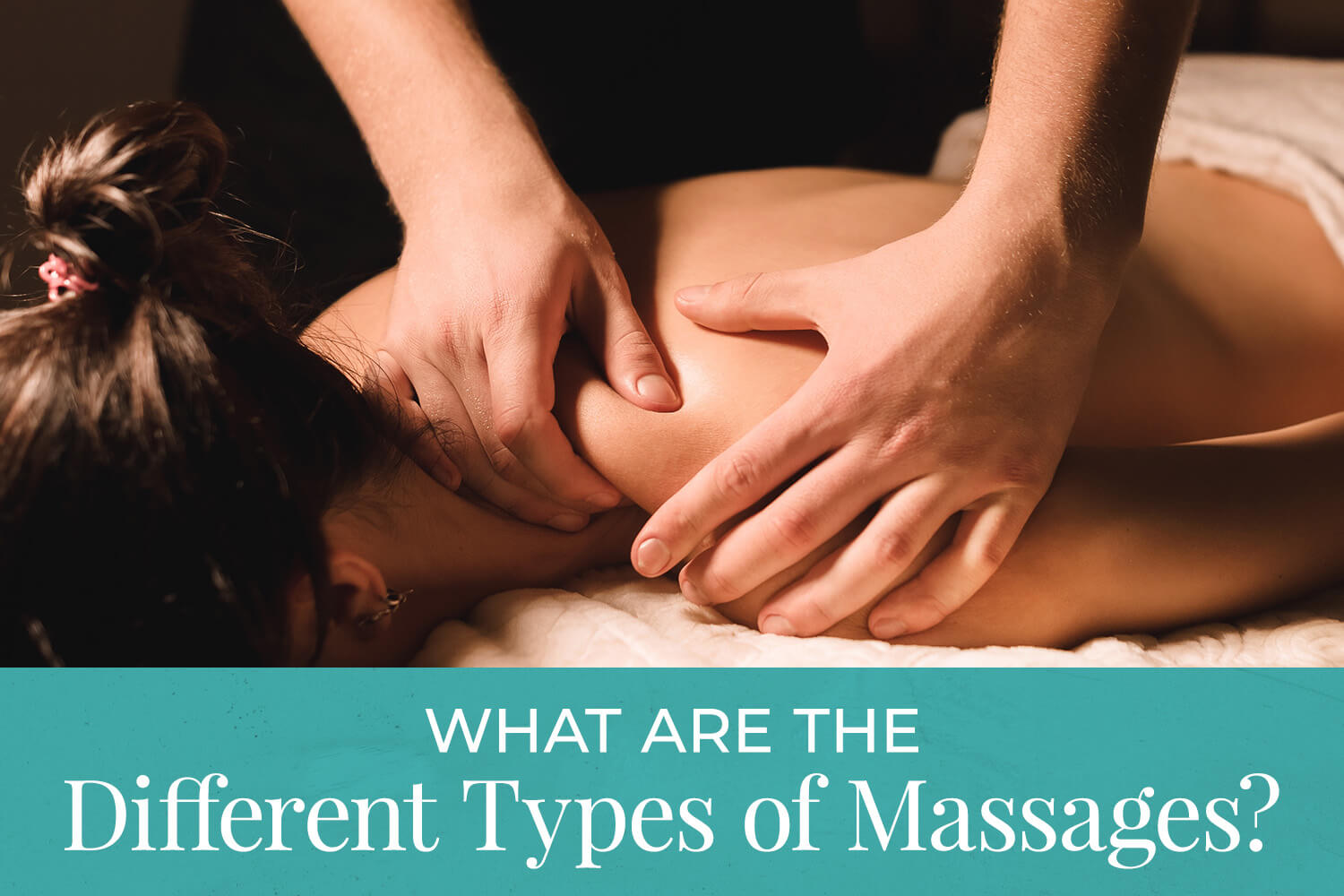
7 Types of Massage: The Ultimate Premium Guide to Healing and Deep Relaxation
Finding the absolute perfect wellness therapy can completely transform your health. When exploring the different modalities available, understanding the 7 types of massage techniques can help you select the exact treatment your body needs. Whether you are searching for dynamic pain relief, muscle recovery, or a blissful escape from daily anxiety, matching your physical symptoms to the correct therapeutic style is the ultimate key to rejuvenation.
In this comprehensive medical-grade review, we will break down the absolute best massage styles, what they feel like, and exactly what to expect during your next premium spa session.
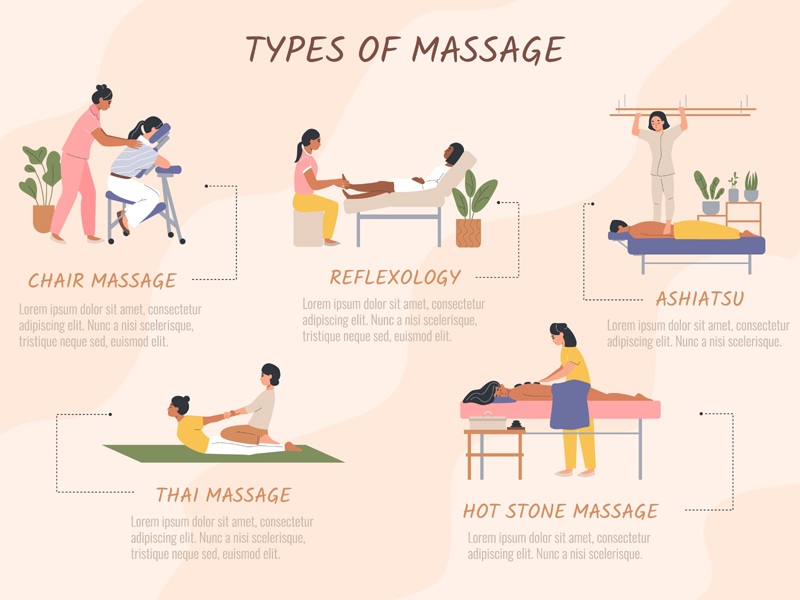
Table of Contents
The Hidden Benefits of Specialized Massage Therapy {#benefits}
Many people view professional massage as a simple luxury or a brief weekend indulgence. However, deep manipulation of soft tissues offers profound, clinically proven physiological advantages. According to detailed medical health literature published by the Mayo Clinic (External Resource), consistent hands-on muscle manipulation provides targeted therapeutic relief:
-
Inhibits Chronic Stress: Swiftly lowers systemic cortisol levels while rapidly boosting serotonin.
-
Flushes Metabolic Waste: Greatly improves vascular blood circulation and lymphatic drainage.
-
Corrects Muscle Knots: Actively releases severe connective tissue tension and stubborn adhesions.
-
Restores Mental Clarity: Significantly reduces generalized anxiety while drastically improving deep sleep cycles.
Deep Dive: The 7 Types of Massage Explored {#7-types}
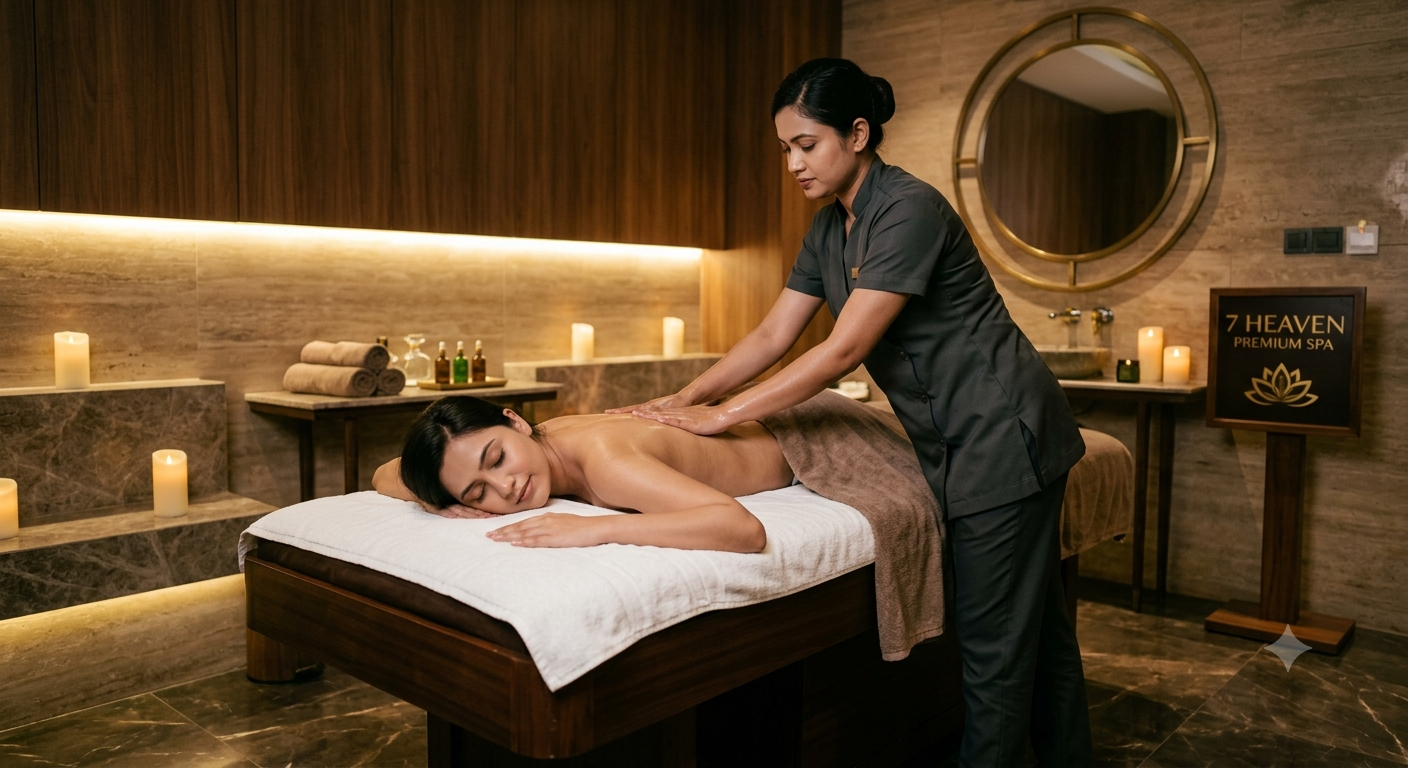
To help you choose the ideal treatment path, let’s deeply examine the unique techniques, sensations, and core benefits behind these 7 types of massage modalities.
1. Swedish Massage
The gold standard for total relaxation. A Swedish session utilizes mild to moderate pressure combined with long, smooth, gliding strokes (effleurage) along major muscle groups. It is highly recommended for beginners who want a soothing, full-body stress release without intense physical discomfort.
2. Deep Tissue Massage
If you suffer from persistent muscle stiffness, this targeted technique is highly effective. It applies firm, deliberate, and steady pressure to reach the deepest layers of your muscle tissues and tendons. While it can occasionally feel slightly intense, it should never feel sharp or explicitly painful.
3. Shiatsu Massage
Hailing from traditional Japanese medicine, Shiatsu focuses heavily on inner energy pathways. Instead of typical rhythmic kneading, the specialist uses precise thumb and finger pressure on specific acupressure meridians. This rebalances overall body alignment and naturally boosts natural blood circulation while remaining fully clothed.
4. Traditional Thai Massage
An incredibly active, dynamic treatment often described as assisted yoga. The therapist utilizes their hands, elbows, and even feet to gently stretch, pull, and manipulate your entire body. Thai massage is completely exceptional for elongating tight limbs, expanding joint flexibility, and relieving chronic lower back pain.
5. Sports Massage
Custom-tailored explicitly for athletes, fitness enthusiasts, or intense physical training. This specialized variation combines targeted deep tissue pressure with rapid stretching to promote rapid muscle recovery, prevent painful sports injuries, and optimize physical performance.
6. Hot Stone Massage
During this ultra-premium therapy, smooth, heated volcanic stones are carefully aligned along your spine, palms, or legs. The radiating thermal heat gently dilates blood vessels, allowing the therapist to dissolve stubborn muscle knots without needing to apply overwhelming physical pressure.
7. Aromatherapy Massage
The ultimate sensory escape. This method blends gentle Swedish strokes with highly concentrated, therapeutic-grade plant extracts like lavender, chamomile, or sandalwood. As you slowly inhale the calming aromatic essences, your nervous system instantly drops into a state of profound peace.
Medical Massage vs. Traditional Relaxation {#medical-vs-relaxation}
It is vital to differentiate between standard spa pampering and a targeted medical massage. While standard sessions focus purely on mental relaxation, a medical approach is specifically recommended by healthcare professionals to manage distinct diagnoses such as sciatica, plantar fasciitis, fibromyalgia, or post-injury physical rehabilitation.
If you want to maximize your long-term physical health alongside your targeted bodywork routines, be sure to read our essential guide on Holistic Nutrition and Lifestyle Mastery for Professionals (Internal Link) to maintain peak performance and high energy levels every single day.
What to Honestly Expect During Your Premium Session {#what-to-expect}
| Stage of Session | What Typically Happens | Client Comfort Standard |
| Pre-Session Consultation | Assessment of physical injuries, allergies, and specific pressure preferences. | Fully customized approach. |
| During the Treatment | Specialized manipulation of soft tissues while keeping sensitive areas fully draped. | Open communication on pressure. |
| Post-Session Recovery | Slow transition to standing, followed by hydration to flush out released toxins. | Mild muscle soreness may occur. |
Frequently Asked Questions {#faqs}
Which of the 7 types of massage is ideal for chronic back pain?
For targeted, localized physical pain, deep tissue massage, traditional Thai massage, or sports massage are generally the most effective options because they actively release internal muscle knots and structural tension.
Do I have to undress for all 7 types of massage?
No. Traditional Thai massage and Japanese Shiatsu are traditionally performed on a comfortable floor mat while you remain completely clothed in loose-fitting, comfortable garments.
How often should someone receive these therapies?
For general relaxation and stress management, a bi-weekly or monthly session is highly recommended. For acute sports recovery or pain rehabilitation, weekly sessions may be required.